Posted At: Oct 23, 2026 - 5 Views
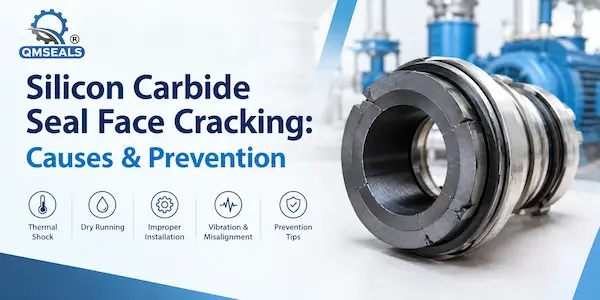
Silicon Carbide Seal Face Cracking: Causes and Prevention
Silicon carbide seal face cracking can cause unexpected leakage, unplanned pump shutdowns and costly maintenance. Although silicon carbide (SiC) is known for its hardness, wear resistance and thermal conductivity, it is a brittle ceramic material that can fracture under excessive stress.
In industrial pumps, cracked mechanical seal faces may result from thermal shock, dry running, incorrect installation or unsuitable operating conditions. Identifying the root cause is essential to preventing repeat failures and improving equipment reliability.
This guide explains the main causes of silicon carbide seal face damage, how to identify potential failure patterns and the practical steps maintenance teams can take to reduce the risk of premature mechanical seal failure.
What Is Silicon Carbide in Mechanical Seals?
Silicon carbide is a ceramic material used in mechanical seal faces because of its hardness, wear resistance, thermal conductivity and resistance to many corrosive fluids. Depending on the grade and design, it can be suitable for water pumps, chemical process pumps and other industrial applications.
A silicon carbide mechanical seal can provide reliable service when the face materials, seal design and operating conditions are correctly matched.
However, silicon carbide is not immune to damage. Sudden temperature changes, impact, uneven mounting loads and inadequate lubrication can create stresses that exceed the material's strength.
Learn more about QMSeals' single mechanical seals , which are available with silicon carbide and other seal-face materials for different applications.
6 Common Causes of Silicon Carbide Seal Face Cracking
1. Thermal Shock
Thermal shock occurs when a seal face experiences a rapid temperature change or a significant temperature difference across its surface. These conditions can generate thermal stresses that lead to cracking.
For example, an overheated seal face may be exposed suddenly to much colder liquid. The resulting temperature gradient can create stress within the ceramic material.
Common contributing factors include:
Sudden changes in process-fluid temperature
Rapid cooling after overheating
Interrupted or inadequate seal flushing
Incorrect startup or shutdown procedures
Uneven heating or cooling across the seal face
How to prevent it: Follow suitable startup and shutdown procedures, maintain the required flushing or cooling arrangement, and avoid sudden temperature changes wherever practicable.
Thermal cracking should be assessed alongside the seal's operating history and physical condition. The appearance of a crack alone does not establish its exact cause.
2. Dry Running and Inadequate Lubrication
Conventional liquid-lubricated mechanical seals rely on a thin fluid film between the rotating and stationary faces. This film helps control friction, wear and heat.
When the fluid film disappears or becomes inadequate, direct contact between the faces can increase frictional heating rapidly. This can cause wear, heat damage and cracking.
Dry running may occur when a pump starts without sufficient liquid, loses its prime or experiences an interruption in the liquid supply to the seal chamber.
Possible warning signs include:
Unexpected or increasing leakage
Scoring or damage on the running faces
Heat damage to secondary seals, such as O-rings
Premature seal failure shortly after startup
How to prevent it: Prime and vent the pump correctly before startup, maintain the required liquid supply to the seal chamber, and verify that the flushing or seal-support system functions as designed.
Silicon carbide offers excellent wear resistance, but it does not eliminate the need for appropriate lubrication and heat control in a conventional liquid-lubricated seal.
3. Improper Installation and Excessive Mounting Stress
Incorrect installation can damage a silicon carbide seal ring before the pump begins operating. Because the material is brittle, excessive force, impact or uneven seating can create stress concentrations that lead to fracture.
Common installation-related causes include:
Applying excessive force during assembly
Uneven seating of the stationary seal ring
Incorrect tightening of gland fasteners
Dirt or foreign particles trapped beneath the seal seat
Incorrect mounting dimensions or working length
Dropping or striking the seal ring during handling
A ring damaged during installation may crack immediately or fail after the equipment enters service.
How to prevent it: Follow the seal manufacturer's installation instructions, use suitable assembly tools, keep mounting surfaces clean and ensure that the ring is seated correctly. Never use excessive force to compensate for an incorrect fit.
When a seal fails shortly after replacement, inspect the installation process as well as the operating conditions.
4. Excessive Operating Temperature and Frictional Heat
High operating temperatures can contribute to mechanical seal face cracking when they create excessive thermal stress or interfere with lubrication at the sealing interface.
Even if the bulk process-fluid temperature is within the equipment's specified limits, localized heating may occur because of unstable face contact, excessive face loading or inadequate heat removal.
Potential contributing factors include:
Inadequate seal flushing or circulation
Loss of the lubricating fluid film
Excessive face loading
Operation beyond the seal's specified limits
Localized heating at the sealing interface
How to prevent it: Compare the actual operating conditions with the seal's design limits. Inspect flushing passages for restrictions, confirm that the correct seal arrangement is installed and investigate abnormal temperature increases before fitting a replacement.
For applications involving elevated temperatures, QMSeals' metal bellow seals may be worth evaluating, subject to the specific pressure, temperature, fluid and material requirements. A different seal design is not, by itself, a solution to inadequate lubrication or thermal shock.
5. Incorrect Seal Selection for the Application
Selecting a seal based only on hardness or wear resistance can lead to premature failure. The face material, mating-face combination and seal arrangement must suit the actual process conditions.
Important selection factors include:
Process-fluid composition and chemical compatibility
Operating temperature and pressure
Shaft speed
Lubrication characteristics
Solids content and abrasiveness
Startup, shutdown and upset conditions
For example, a silicon carbide-to-silicon carbide face combination may be suitable for some applications, but its performance still depends on the seal design, lubrication and operating conditions.
How to prevent it: Evaluate the fluid, pressure, temperature, shaft speed and expected operating conditions before selecting a seal. Consult a mechanical seal specialist if cracking occurs repeatedly or the application involves demanding service conditions.
Explore QMSeals' multi-spring mechanical seals for one example of an alternative seal design. Confirm the material pairing and suitability for the intended duty before specifying a replacement.
6. Excessive Vibration, Misalignment and Mechanical Stress
Pump vibration, shaft runout and misalignment can place abnormal loads on the mechanical seal assembly. These conditions may disturb the contact between the rotating and stationary faces or cause impact within the assembly.
Potential contributing factors include:
Incorrect pump and motor alignment
Worn bearings
Excessive shaft runout
Abnormal vibration
Incorrect seal assembly or working length
Mechanical movement outside the equipment's design limits
These conditions do not always cause cracking directly, but they can contribute to uneven loading, impact damage and premature failure.
How to prevent it:
Check pump and motor alignment.
Inspect bearings and shaft movement.
Measure shaft runout against the manufacturer's limits.
Investigate abnormal vibration.
Confirm that the seal is installed at the correct working length.
If cracking occurs repeatedly, correcting the underlying mechanical problem is more effective than simply replacing the seal.
How to Identify Silicon Carbide Seal Face Damage
Inspecting the failed component can help maintenance teams narrow down the possible causes of silicon carbide seal failure.
Look for these signs:
Fine cracks across the running face: May indicate thermal stress or other forms of mechanical damage.
Chipped edges or visible fractures: May be associated with impact, handling or installation stress.
Scoring and uneven wear: May indicate poor lubrication, contamination or unstable face contact.
Unexpected leakage: May indicate damage to the sealing interface, although leakage can also originate from other parts of the assembly.
Heat-damaged secondary seals: May support an overheating diagnosis but do not prove the cause on their own.
These observations are diagnostic clues rather than definitive conclusions. A reliable assessment should consider both seal faces, the mounting components, the operating history and any recent changes to the process.
Silicon Carbide Seal Face Cracking: Troubleshooting Table
Use the following table as an initial guide when inspecting a failed mechanical seal.
Observed damage | Possible cause | Recommended checks |
Fine cracks across the running face | Thermal stress or excessive frictional heat | Review temperature changes, lubrication and flushing |
Chipped edges | Impact or installation damage | Inspect handling, seating and mounting surfaces |
Heavy scoring or uneven wear | Inadequate lubrication or contamination | Check fluid supply and process conditions |
Heat-damaged O-rings | Excessive temperature or chemical incompatibility | Inspect operating temperature and elastomer compatibility |
Repeated failure with abnormal vibration | Misalignment or mechanical movement | Check bearings, shaft runout and alignment |
Important: The damage pattern alone cannot confirm the root cause. Inspect the complete seal assembly and review operating conditions before deciding on corrective action.
For additional background, consult this external mechanical seal troubleshooting reference .
How to Prevent Silicon Carbide Seal Face Cracking
Preventing premature failure requires the right combination of material selection, installation quality and operating control.
Maintain adequate lubrication. Confirm that the seal faces receive the required liquid supply or that the specified seal-support arrangement operates correctly.
Control temperature changes. Avoid sudden heating or cooling that may create excessive thermal stress.
Follow installation procedures. Prevent impact damage, uneven seating and excessive assembly force.
Monitor pump condition. Investigate vibration, shaft runout, bearing wear and alignment problems.
Verify material compatibility. Match the seal-face materials and design to the process fluid and operating conditions.
Inspect failed components. Examine both seal faces, secondary seals, mounting surfaces and support-system components before installing a replacement.
Keep operating records. Record when the failure occurred, the operating temperature, any flushing interruptions and recent startup or shutdown events.
Investigate repeat failures. Compare inspection findings with previous failures to determine whether the problem is related to installation, operating conditions or seal selection.
A systematic failure investigation can help identify the root cause and reduce the risk of repeated seal replacement.
Conclusion
Silicon carbide seal face cracking can result from thermal shock, dry running, excessive heat, incorrect installation, unsuitable material selection or mechanical problems within the pump system.
Identifying the root cause is essential to preventing repeat failures. Correct seal selection, proper installation, adequate lubrication, temperature control and regular pump-condition monitoring all contribute to reliable mechanical seal operation.
QMSeals provides mechanical sealing solutions for a range of industrial pumping applications. If you are experiencing repeated seal failures, discuss your pump's operating conditions, process fluid and sealing requirements with our team.
Frequently Asked Questions
Why do silicon carbide mechanical seal faces crack?
Common causes include thermal shock, dry running, excessive frictional heat, installation stress and abnormal mechanical loading. The exact cause depends on the crack pattern, seal design and operating history.
Can dry running damage a silicon carbide seal?
Yes. Although silicon carbide has excellent wear resistance, it is not immune to dry-running damage. When the lubricating film disappears, frictional heat can increase and contribute to cracking or other face damage.
Does thermal shock cause silicon carbide seal face cracking?
Yes. Rapid temperature changes can generate thermal stress that exceeds the material's strength. The risk depends on the material grade, component geometry, temperature difference and operating conditions.
Can incorrect installation crack a silicon carbide seal ring?
Yes. Impact, uneven seating, excessive assembly force and incorrect mounting can damage a brittle ceramic ring. Following the manufacturer's installation instructions helps reduce this risk.
Should a cracked silicon carbide seal face be reused?
A confirmed cracked seal face should not be returned to service without an approved engineering assessment. Replacement is generally appropriate when structural damage compromises component integrity or sealing performance.