Posted At: Mar 30, 2026 - 601 Views
Introduction
In any pumping system, leakage control is not optional—it’s critical. One of the most essential components responsible for this is the pump shaft seal.
While many industries understand what a seal is, fewer realize how important the right shaft seal for pump applications is for efficiency, safety, and long-term reliability.
This blog focuses not just on what it is—but why it truly matters in real-world operations.
What Is a Pump Shaft Seal?
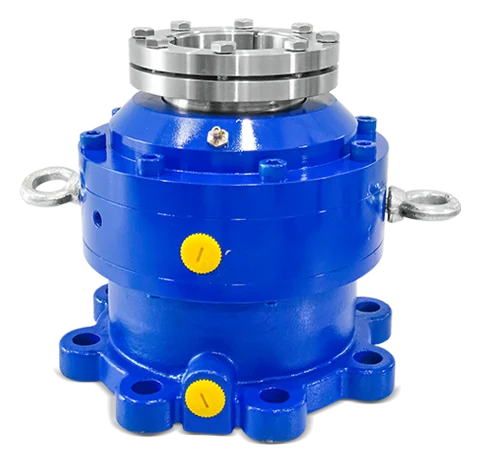
A pump shaft seal is a sealing device installed where the rotating shaft passes through the stationary pump casing. Its main job is simple but critical:
👉 Check out this blog about what a shaft seal for a pump is to get more information.
A shaft seal also:
- Keeps lubrication inside
- Prevents contaminants from entering
- Maintains system integrity
Why Is a Shaft Seal for Pump So Important?
1. Prevents Fluid Leakage
Leakage is the biggest issue in pumps. A properly designed pump shaft seal ensures zero or controlled leakage, especially in:
- Chemical plants
- Oil & gas industries
- Water systems
Even small leaks can lead to major losses.
2. Maintains Pump Efficiency
When leakage occurs:
- Pressure drops
- Flow reduces
- Energy consumption increases
A high-quality shaft seal for pump keeps the system running at optimal efficiency.
3. Protects Bearings and Internal Components
Fluid entering unwanted areas can:
- Damage bearings
- Cause corrosion
- Lead to early pump failure
A shaft seal acts as a protective barrier, extending equipment life.
4. Ensures Safety in Critical Applications
In industries handling:
- Hazardous chemicals
- High-temperature fluids
- Toxic gases
Leakage can be dangerous. A reliable pump shaft seal prevents accidents and ensures compliance.
5. Reduces Maintenance and Downtime
Poor sealing = frequent repairs
A good shaft seal for pump:
- Reduces breakdowns
- Minimizes maintenance cost
- Improves operational reliability
Types of Pump Shaft Seals
Mechanical Seal
- Modern and widely used
- Very low leakage
- Ideal for high pressure & temperature
Packing Seal (Gland Packing)
- Traditional method
- Allows slight leakage
- Requires frequent maintenance
👉 Mechanical seals are used in most industrial pumps today because they provide better performance and reliability.
What Happens If a Pump Shaft Seal Fails?
This is where your blog can stand out 🔥
Seal failure leads to:
- Continuous leakage
- Pump overheating
- Increased vibration
- Energy loss
- Complete pump shutdown
In severe cases, it can damage the entire system.
How to Choose the Right Shaft Seal for Pump
To get the best performance, consider:
- Fluid type (corrosive, abrasive, clean)
- Operating pressure and temperature
- Shaft speed
- Industry requirements
Choosing the wrong seal can reduce efficiency and increase failure risk.
Pro Tips to Extend Seal Life
- Never run the pump dry
- Ensure proper installation
- Monitor leakage regularly
- Use compatible materials
- Replace worn seals on time
Conclusion
A pump shaft seal is not just a small component—it’s the backbone of a leak-free, efficient pumping system.
From preventing leakage to improving safety and reducing costs, the importance of selecting the right shaft seal for pump applications cannot be overstated.
If you want long-lasting performance, investing in the right sealing solution is a must.
Frequently Asked Questions
1. Why choose QMSeals for pump shaft seals?
QMSeals is known for:
- High-performance mechanical seals
- Industry-specific solutions
- Reliable quality and durability
- Expert technical support
Their products are trusted across industries for consistent and efficient sealing performance.
2. What is a pump shaft seal and why is it important?
A pump shaft seal is a component that prevents fluid leakage where the rotating shaft passes through the pump casing. It is important because it ensures efficiency, safety, and long-term pump performance.
At QMSeals, high-quality shaft seals are designed to minimize leakage and maximize operational reliability across various industries.
3. What types of shaft seals are available for pumps?
The most common types of shaft seal for pump applications include:
- Mechanical seals
- Packing (gland) seals
QMSeals offers a wide range of advanced mechanical seals suitable for high-pressure, high-temperature, and corrosive environments.
4. How do I choose the right pump shaft seal?
Choosing the right pump shaft seal depends on:
- Fluid type
- Pressure and temperature
- Shaft speed
- Application requirements
QMSeals provides expert guidance and customized sealing solutions to help you select the best seal for your pump system.