Posted At: Dec 17, 2025 - 8,321 Views

What Is a Stuffing Box in Pumps?
Introduction
In pumping systems, controlling leakage around a rotating shaft is critical for both efficiency and safety. One of the oldest and most widely used sealing methods in pump design is the stuffing box in a pump. Even with the availability of modern mechanical seals, stuffing boxes continue to play an important role in many industrial applications due to their simplicity, reliability, and cost-effectiveness.
This article explains what a stuffing box is, how it works, its components, advantages, limitations, and its specific role in a stuffing box in a centrifugal pump.
What Is a Stuffing Box in a Pump?
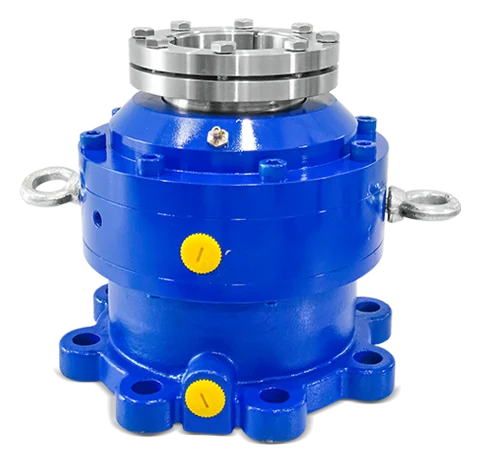
A stuffing box in a pump is a housing or chamber that surrounds the pump shaft and is designed to hold packing material. Its primary function is to control leakage of fluid along the shaft while allowing it to rotate freely.
Instead of completely stopping leakage, a stuffing box allows controlled leakage, which helps lubricate the shaft and packing, preventing overheating and damage.
Purpose of a Pump Stuffing Box
The main purposes of a pump stuffing box include:
Preventing excessive fluid leakage
Protecting the pump shaft from wear
Allowing lubrication and cooling of packing material
Maintaining pump efficiency
Extending the service life of pump components
Main Components of a Stuffing Box
A typical stuffing box consists of the following parts:
1. Stuffing Box Housing
The chamber integrated into the pump casing where the packing is installed.
2. Packing Rings
Soft, compressible sealing materials (graphite, PTFE, aramid, or synthetic fibers) placed around the shaft.
3. Gland Follower
A component that compresses the packing rings inside the stuffing box.
4. Shaft or Shaft Sleeve
The rotating element passing through the stuffing box. A sleeve is often used to protect the shaft from wear.
5. Lantern Ring
Used in applications requiring external lubrication or flushing fluid.
How Does a Stuffing Box Work?
The working principle of a stuffing box in a pump is simple:
Packing rings are inserted into the stuffing box.
The gland follower applies pressure to compress the packing.
The packing forms a seal around the rotating shaft.
A small amount of leakage is allowed for lubrication and cooling.
This controlled leakage prevents friction-related heat buildup and reduces wear on the shaft.
Stuffing Box in Centrifugal Pump
The stuffing box in a centrifugal pump is commonly used to seal the area where the shaft exits the pump casing. Centrifugal pumps operate at high rotational speeds, making effective shaft sealing essential.
Why Stuffing Boxes Are Used in Centrifugal Pumps:
Simple design and easy maintenance
Suitable for abrasive or slurry applications
Cost-effective compared to mechanical seals
Allows operation in harsh environments
However, regular monitoring and adjustment are necessary to maintain optimal performance.
Types of Packing Used in Stuffing Boxes
Different packing materials are selected based on fluid type, temperature, and pressure:
Graphite Packing – High-temperature and chemical resistance
PTFE Packing – Excellent chemical compatibility
Aramid Fiber Packing – Abrasion resistance
Synthetic Fiber Packing – General industrial applications
Choosing the right packing material is critical for stuffing box efficiency.
Advantages of a Stuffing Box in Pump Applications
Simple construction
Low initial cost
Easy to install and replace
Suitable for dirty or abrasive fluids
Minimal technical skill required for maintenance
Limitations of Stuffing Boxes
Despite their benefits, stuffing boxes have some drawbacks:
Higher leakage compared to mechanical seals
Requires frequent adjustment
Increased power consumption due to friction
Shaft sleeve wear over time
For applications requiring zero leakage, mechanical seals may be a better alternative.
Stuffing Box vs Mechanical Seal
| Feature | Stuffing Box | Mechanical Seal |
|---|---|---|
| Leakage | Controlled leakage | Near-zero leakage |
| Cost | Low | Higher |
| Maintenance | Frequent | Less frequent |
| Installation | Simple | Technical |
| Abrasive Fluids | Good | Limited |
Common Applications of Pump Stuffing Boxes
- Water pumps
- Chemical transfer pumps
- Slurry and sewage pumps
- Marine and utility pumps
- Power plant auxiliary pumps
Maintenance Tips for Stuffing Boxes
Proper maintenance improves performance and lifespan:
- Do not overtighten the gland
- Ensure consistent leakage rate
- Replace worn packing promptly
- Use correct packing material
- Inspect shaft sleeve regularly
Conclusion
A stuffing box in a pump is a proven and reliable sealing solution, especially in applications where simplicity, durability, and controlled leakage are acceptable. The stuffing box in a centrifugal pump remains widely used across industries due to its adaptability and ease of maintenance.
By selecting the right packing material and following proper maintenance practices, stuffing boxes can deliver consistent performance and extended pump life.
Frequently Asked Questions
1. What is a stuffing box in a pump?
A stuffing box in a pump is a sealing chamber that holds packing material around the pump shaft to control fluid leakage while allowing shaft rotation.
2. Why is a stuffing box used in pumps?
A stuffing box is used to:
Prevent excessive leakage
Protect the pump shaft
Allow lubrication and cooling
Improve pump reliability
3. What is the difference between a stuffing box and a mechanical seal?
A stuffing box allows controlled leakage and requires periodic adjustment, whereas a mechanical seal provides near-zero leakage and requires less frequent maintenance.
4. What type of packing is used in a pump stuffing box?
Common packing materials include graphite, PTFE, aramid fiber, and synthetic fibers. The choice depends on pressure, temperature, and fluid type.
5. What is a stuffing box in a centrifugal pump?
A stuffing box in a centrifugal pump seals the shaft where it exits the pump casing, helping to control leakage while maintaining smooth pump operation.